


Beginner-Friendly Motorcycle Flat Tire Repair Guide: Fix It Yourself in 10 Minutes
Views : 28
Update time : 2026-06-11 16:12:08
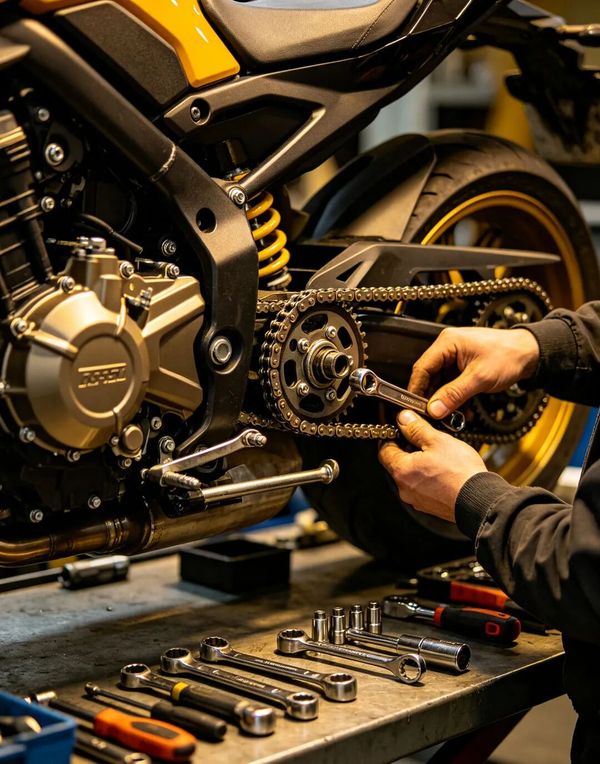
Step 1: Gather Your Essential Tools
You don't need an expensive professional kit to fix a flat. A basic set of affordable tools will work perfectly for beginners:
- Tire repair plugs (butyl rubber plugs are ideal for most motorcycles)
- Plug insertion tool and reamer
- 2 tire levers
- Tire pressure gauge
- Portable air pump
- Clean rag and water (tire cleaner optional)
Pro tip for new riders: Stick to budget-friendly, high-quality tools. Premium kits offer no real advantage for basic repairs.
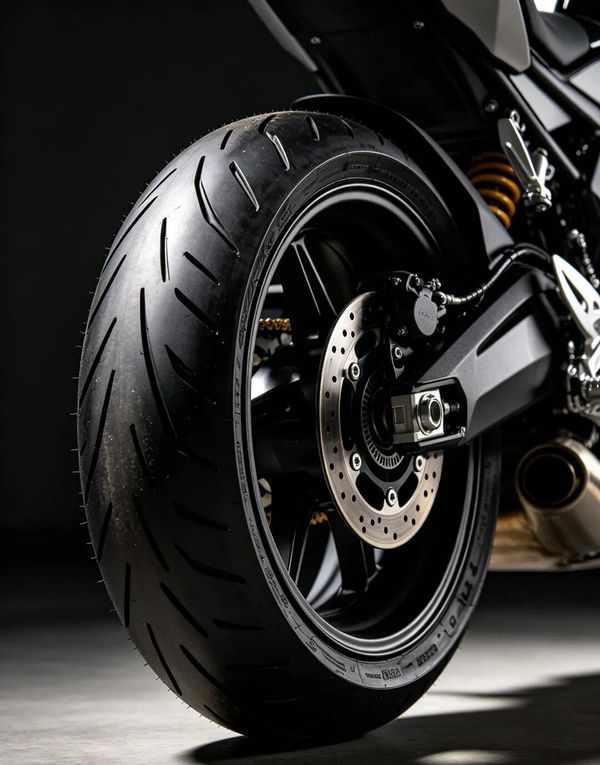
Before you start, park your motorcycle on flat, stable ground and engage the parking brake. Locate the puncture (usually a nail, screw or piece of glass) but do not pull it out yet. Wipe the area around the puncture clean of dirt and grease to ensure a strong seal. Once the area is clean, gently pull out the foreign object. Use the reamer tool to clean and slightly enlarge the puncture hole by inserting it and twisting back and forth 3-4 times. This removes debris and creates a better surface for the plug to adhere to.
Step 2: The Critical Step Most Beginners Mess Up
Inflate the tire to your motorcycle's recommended pressure (typically 2.2-2.5 bar for front tires, 2.5-2.9 bar for rear tires). To check for leaks, apply soapy water around the repaired area. If no bubbles appear, your repair is successful. If you see bubbles, reinsert the plug and test again.
Step 3: Pro Tips for a Long-Lasting Repair
Step 2: The Critical Step Most Beginners Mess Up
Inserting the plug correctly is the most important part of the repair. Cut both ends of a rubber plug at an angle to make insertion easier. Thread one end of the plug firmly into the slot of the insertion tool.
Push the tool straight into the puncture hole until half the plug remains outside the tire. Pull the tool out quickly and smoothly—this will leave the plug securely in place, sealing the hole. Trim the excess plug with scissors, leaving about 1-2mm sticking out from the tire surface. Do not cut it completely flush, as this can cause the plug to wear out prematurely.
Step 3: Pro Tips for a Long-Lasting Repair
- Always let your tire cool completely before repairing it. Hot rubber will not form a tight seal with the plug.
- For tubeless tires, adding a small amount of tire sealant after repair can provide extra protection against future leaks.
- Do not attempt to repair punctures larger than 3mm or damage to the tire sidewall. These require professional tire replacement to avoid blowout risks.
Repairing your own motorcycle tire is a rewarding skill that saves you time and money. It also helps you become more familiar with your bike and gives you peace of mind on the road. Of course, investing in high-quality tires like Eurogrip can significantly reduce your chances of getting a flat in the first place, thanks to their durable construction and puncture-resistant design.
Don't be afraid to try—with a little practice, you'll be fixing flats like a pro in no time.
Related News
2026 NMAX TECH MAX Unveiled: The Versatile 155cc Scooter for Urban Commuting and Weekend Getaways
Jun .18.2026
Yamaha proudly presents the all-new 2026 NMAX TECH MAX, a premium 155cc scooter that integrates three cutting-edge technologies: TCS Traction Control, WA Variable Valve Actuation, and a 4.2-inch TFT intelligent connected dashboard. Designed to excel in both daily urban commuting and weekend leisure riding, this model delivers an accessible riding experience with a 132kg curb weight and 770mm seat height, while setting new standards for safety, performance, and intelligent features in its class.
Overcoming Speed Anxiety: A Step-by-Step Guide for New Electric Motorcycle Riders
Jun .05.2026
Speed anxiety is one of the most common challenges faced by new electric motorcycle riders. Many beginners struggle with the feeling of losing control at higher speeds, which can prevent them from fully enjoying the freedom and convenience of riding. This comprehensive guide provides practical, actionable strategies to help you build confidence gradually, master essential riding skills, and ride safely and comfortably at your own pace.
2026 Honda NX400 Gets Major Upgrade: E-Clutch Technology Debuts, Redefining Daily Riding Experience
May .29.2026
Honda has officially unveiled the 2026 NX400 crossover adventure motorcycle. The highlight of this update is the introduction of the E-Clutch electronic clutch system, previously only available on larger displacement models, to the 400cc segment. While retaining the proven powertrain, the new model features an increased fuel tank capacity and upgraded instrument panel, enhancing its practicality for both urban commuting and long-distance touring.
Electric Motorcycle Cornering Brake Safety Guide: Master Core Techniques for Stable Riding
May .26.2026
Braking during cornering is the most accident-prone operation in electric motorcycle riding. E-motos offer unique handling advantages such as a low center of gravity and regenerative braking, but they require braking techniques adapted to their power logic. This article systematically breaks down braking methods for pre-corner, mid-corner and emergency scenarios, corrects common beginner mistakes, and helps riders complete cornering safely and smoothly.

