


Professional Motorcycle Cornering Guide
Views : 59
Update time : 2026-03-19 15:48:29
Many riders – even seasoned veterans with years of riding experience – hold a deeply ingrained operational misconception: they rely solely on turning the handlebars to execute a turn. While this maneuver poses minimal risk at low speeds, forcibly twisting the handlebars at high speeds generates counterforce, severely disrupts the motorcycle’s dynamic balance, and creates an extremely high risk of loss of control.
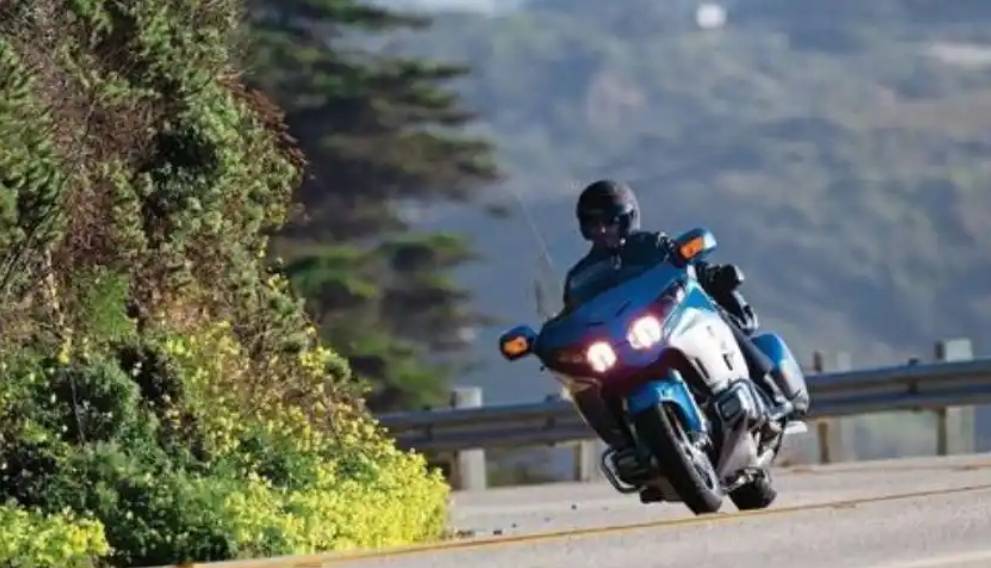
The correct logic for motorcycle cornering lies not in handlebar manipulation alone, but in using sightline guidance to drive body posture adjustments, which in turn control the motorcycle’s lean angle to complete a smooth turn.
Riders must build this core habit from the very beginning of their riding journey: when cornering, always keep your sight fixed on the area ahead along the corner’s path, with your sightline always leading the motorcycle’s actual travel route. Confirm your turning line before entering the corner; the movement of turning your head will naturally drive your body to adjust its posture and apply corresponding force to the inside of the corner, and the motorcycle will naturally lean following the shift of your body’s center of gravity to complete a smooth steering action.
Many novice riders experience cornering anxiety or violent body sway after leaning in, and the core cause is not improper lean angle control, but incorrect throttle control in the corner – the motorcycle lacks continuous traction, leading to unstable dynamic performance of the body.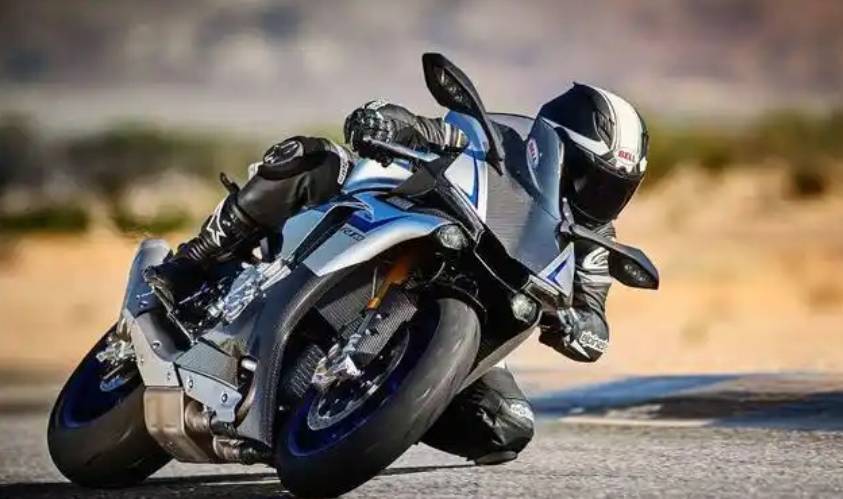
The correct operating logic for corner entry is: enter the corner at a controllable low speed, maintain your sightline to plan the travel route in advance throughout the process, deliberately practice the action logic of using sightline to guide body posture to complete the turn, and form synchronous coordination with the motorcycle’s dynamics. During cornering, maintain a stable and small throttle opening to provide continuous traction for the motorcycle, so that the body maintains stable tracking performance under the support of power; without continuous power, the rider will instinctively lose confidence in leaning, which in turn triggers more wrong operations.
A core taboo that must be strictly observed: never disengage the clutch during cornering. Clutch disengagement will directly cut off the engine traction, resulting in a sharp drop in rear wheel grip, which will not only make the body lose stability instantly, but also greatly increase the risk of low-side crash.
It is recommended that all riders first carry out targeted practice in a closed and safe dedicated venue, perceive the state of man-machine coordination under different lean angles, and build correct operational muscle memory. Only through systematic and repeated practice can riders steadily improve their cornering control skills, ultimately achieve safe and compliant riding on the road, and ensure a safe return for every trip.
The correct logic for motorcycle cornering lies not in handlebar manipulation alone, but in using sightline guidance to drive body posture adjustments, which in turn control the motorcycle’s lean angle to complete a smooth turn.
Riders must build this core habit from the very beginning of their riding journey: when cornering, always keep your sight fixed on the area ahead along the corner’s path, with your sightline always leading the motorcycle’s actual travel route. Confirm your turning line before entering the corner; the movement of turning your head will naturally drive your body to adjust its posture and apply corresponding force to the inside of the corner, and the motorcycle will naturally lean following the shift of your body’s center of gravity to complete a smooth steering action.
Many novice riders experience cornering anxiety or violent body sway after leaning in, and the core cause is not improper lean angle control, but incorrect throttle control in the corner – the motorcycle lacks continuous traction, leading to unstable dynamic performance of the body.
The correct operating logic for corner entry is: enter the corner at a controllable low speed, maintain your sightline to plan the travel route in advance throughout the process, deliberately practice the action logic of using sightline to guide body posture to complete the turn, and form synchronous coordination with the motorcycle’s dynamics. During cornering, maintain a stable and small throttle opening to provide continuous traction for the motorcycle, so that the body maintains stable tracking performance under the support of power; without continuous power, the rider will instinctively lose confidence in leaning, which in turn triggers more wrong operations.
A core taboo that must be strictly observed: never disengage the clutch during cornering. Clutch disengagement will directly cut off the engine traction, resulting in a sharp drop in rear wheel grip, which will not only make the body lose stability instantly, but also greatly increase the risk of low-side crash.
It is recommended that all riders first carry out targeted practice in a closed and safe dedicated venue, perceive the state of man-machine coordination under different lean angles, and build correct operational muscle memory. Only through systematic and repeated practice can riders steadily improve their cornering control skills, ultimately achieve safe and compliant riding on the road, and ensure a safe return for every trip.
Related News
2026 NMAX TECH MAX Unveiled: The Versatile 155cc Scooter for Urban Commuting and Weekend Getaways
Jun .18.2026
Yamaha proudly presents the all-new 2026 NMAX TECH MAX, a premium 155cc scooter that integrates three cutting-edge technologies: TCS Traction Control, WA Variable Valve Actuation, and a 4.2-inch TFT intelligent connected dashboard. Designed to excel in both daily urban commuting and weekend leisure riding, this model delivers an accessible riding experience with a 132kg curb weight and 770mm seat height, while setting new standards for safety, performance, and intelligent features in its class.
Beginner-Friendly Motorcycle Flat Tire Repair Guide: Fix It Yourself in 10 Minutes
Jun .11.2026
Getting a flat tire mid-ride is every motorcyclist's worst nightmare. Most riders immediately head to a repair shop, convinced that tire patching is a complicated technical task that only professionals can handle. But the truth is, repairing a motorcycle tire—whether tubeless or with an inner tube—is far simpler than you think. With the right tools and clear step-by-step instructions, even complete beginners can master this essential skill. Save yourself the repair costs and gain the confidence to handle roadside emergencies on your own.
Overcoming Speed Anxiety: A Step-by-Step Guide for New Electric Motorcycle Riders
Jun .05.2026
Speed anxiety is one of the most common challenges faced by new electric motorcycle riders. Many beginners struggle with the feeling of losing control at higher speeds, which can prevent them from fully enjoying the freedom and convenience of riding. This comprehensive guide provides practical, actionable strategies to help you build confidence gradually, master essential riding skills, and ride safely and comfortably at your own pace.
2026 Honda NX400 Gets Major Upgrade: E-Clutch Technology Debuts, Redefining Daily Riding Experience
May .29.2026
Honda has officially unveiled the 2026 NX400 crossover adventure motorcycle. The highlight of this update is the introduction of the E-Clutch electronic clutch system, previously only available on larger displacement models, to the 400cc segment. While retaining the proven powertrain, the new model features an increased fuel tank capacity and upgraded instrument panel, enhancing its practicality for both urban commuting and long-distance touring.

